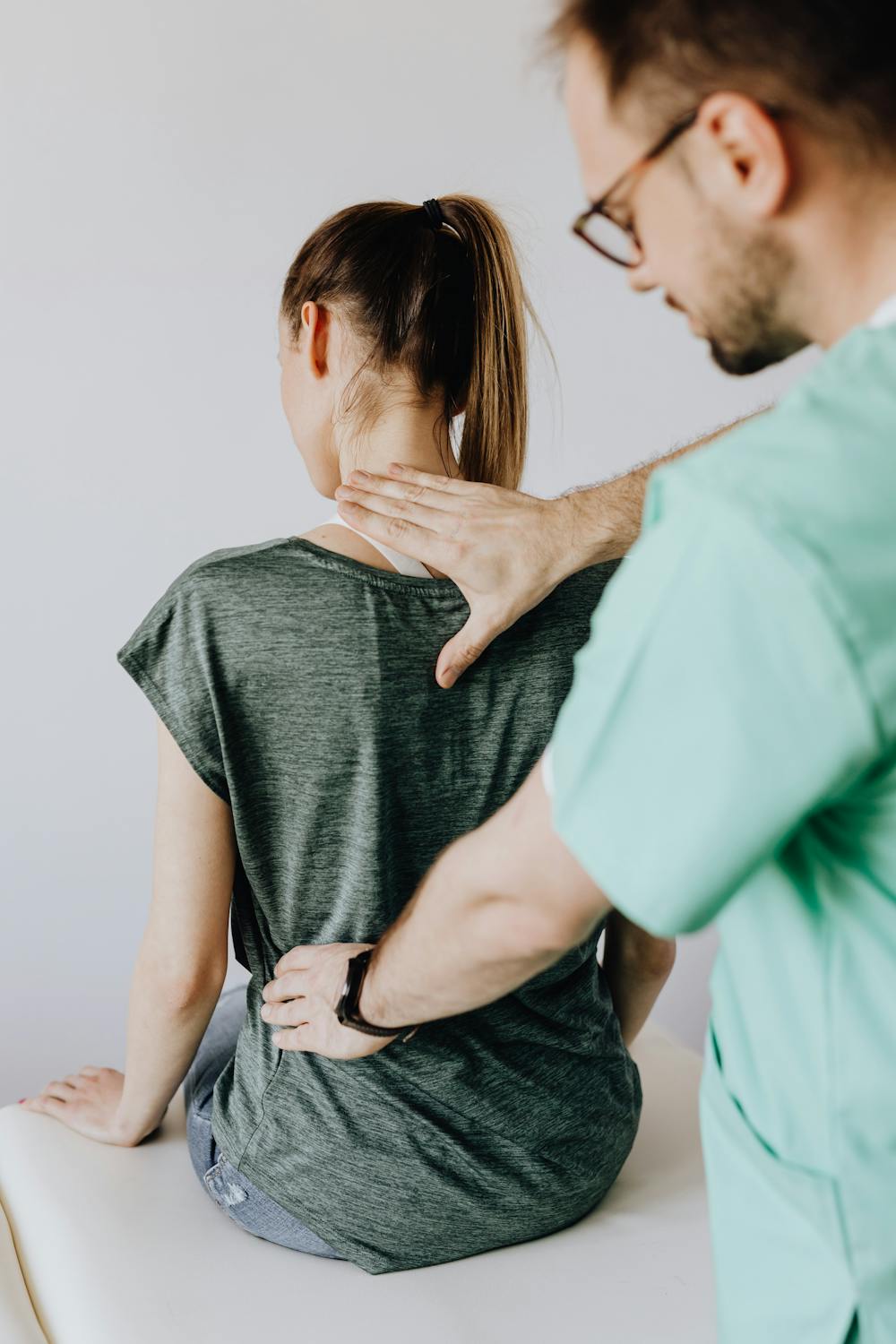
Why Medical Experts Matter in Personal Injury Cases
Personal injury litigation often turns on medical questions that fall outside the knowledge of judges and juries. Whether the dispute involves a motor vehicle accident, a workplace injury, a slip-and-fall, or a product liability claim, medical expert witnesses help establish what happened to the plaintiff, why it happened, and what it means going forward.
Unlike medical malpractice cases — where the core question is whether a physician met the standard of care — personal injury cases focus on causation, the nature and extent of injuries, the reasonableness of treatment, and the long-term impact on the plaintiff's life. Medical experts help attorneys build (or defend against) these elements with clinical authority.
Key Roles of Medical Experts in Personal Injury
Medical experts in personal injury cases typically address one or more of the following:
- Causation. Did the incident in question cause or contribute to the plaintiff's injuries? This is often the central dispute. The expert must connect the mechanism of injury to the clinical findings and distinguish incident-related injuries from pre-existing or unrelated conditions.
- Diagnosis and injury characterization. What are the plaintiff's injuries, and how severe are they? Medical experts interpret imaging, surgical records, and clinical findings to provide an objective picture of the injury.
- Treatment reasonableness. Was the medical treatment the plaintiff received appropriate and necessary? Defense counsel frequently challenges the volume, duration, or type of treatment as excessive or unrelated to the incident.
- Prognosis and future medical needs. What is the plaintiff's expected recovery trajectory? Will they require future surgeries, physical therapy, medication, or assistive devices? These opinions directly impact damages calculations.
- Functional impairment and disability. How do the injuries affect the plaintiff's ability to work, perform daily activities, and maintain their quality of life?
Causation: The Battleground
Causation is where personal injury cases are won or lost. The plaintiff must demonstrate, through competent medical testimony, that the defendant's conduct was a proximate cause of the injuries claimed. Defense experts counter by attributing symptoms to pre-existing conditions, degenerative changes, or unrelated events.
Effective causation opinions require an expert who can:
- Explain the mechanism of injury in biomechanical terms the jury can follow
- Distinguish between acute traumatic findings and chronic or degenerative conditions on imaging
- Address temporal relationships between the incident and the onset of symptoms
- Withstand cross-examination on differential diagnosis and alternative causes
Pre-Existing Conditions and Aggravation
Many personal injury plaintiffs have pre-existing medical conditions. That does not defeat a claim, but it does complicate the expert analysis. In most jurisdictions, a defendant takes the plaintiff as they find them under the "eggshell plaintiff" doctrine. Even so, the expert must still explain what portion of the plaintiff's condition is attributable to the incident and what existed before.
A skilled expert can explain how a pre-existing condition was asymptomatic before the incident and became symptomatic afterward, or how a degenerative condition was accelerated or aggravated by the trauma.
Independent Medical Examinations
In personal injury cases, defense counsel often retains a medical expert to conduct an independent medical examination (IME) of the plaintiff. The IME examiner evaluates the plaintiff's current condition, reviews medical records, and provides opinions on causation, diagnosis, treatment, and prognosis, typically from the defense perspective.
Plaintiff's counsel may retain their own medical expert to review the IME report, identify its limitations, and offer rebuttal opinions. The interplay between competing medical experts often defines the medical narrative at trial.
Damages and Life Care Planning
Medical expert testimony is essential to proving damages. Future medical costs, lost earning capacity, and pain and suffering depend on credible medical opinions about the plaintiff's condition and prognosis. In catastrophic injury cases, life care planners often work alongside medical experts to project the plaintiff's lifetime medical and support needs.
Selecting the Right Expert for a Personal Injury Case
The ideal medical expert for a personal injury case should:
- Practice in the specialty most relevant to the plaintiff's injuries
- Have experience treating patients with similar injury mechanisms
- Be able to articulate causation opinions clearly and withstand Daubert or Frye challenges
- Understand the litigation context without becoming an advocate
An expert who is credible, well-credentialed, and an effective communicator is far more valuable than one who simply agrees with the retaining attorney's theory of the case.
How Lumen Supports Personal Injury Litigation
Lumen Expert Solutions connects attorneys with medical experts across a wide range of specialties who have experience in personal injury matters. Whether you need an orthopedic surgeon to address a spinal injury, a neurologist to evaluate a traumatic brain injury, or a physiatrist to assess functional impairment, Lumen identifies and refers experts for your consideration and provides administrative support through the engagement.
This content is provided for informational purposes only and does not constitute legal or medical advice. Consult a qualified attorney for guidance specific to your case.
Need a medical expert for your personal injury case? Submit an inquiry → and our team will respond within hours.
Need help finding the right medical expert witness for your case?
Submit an Inquiry